
Interior design is much more than arranging furniture or choosing attractive colors for a room. It is the process of creating spaces that combine beauty, comfort, functionality, and personality. A well-designed home improves everyday living, supports your lifestyle, and leaves a lasting impression on everyone who enters. Whether you are an aspiring interior designer, a home décor enthusiast, or a professional looking to refine your skills, understanding the principles of good design is the key to creating exceptional interiors.
If you have been searching for how to be better at interior design mintpaldecor, this comprehensive guide will help you develop the knowledge and confidence needed to design stunning spaces. Professional interior designers don’t rely solely on creativity—they also understand space planning, color psychology, lighting, textures, furniture placement, and the latest design trends. Combining these elements thoughtfully allows them to transform ordinary rooms into elegant and highly functional environments.
This guide covers everything from the fundamentals of interior design to advanced techniques used by experienced designers. By the end, you’ll have practical strategies that can be applied to residential projects, commercial interiors, or even your own home.
What Is Interior Design?
Interior design is the art and science of enhancing indoor spaces to make them more attractive, practical, safe, and comfortable. Unlike simple decorating, interior design involves careful planning of layouts, lighting, furniture, colors, materials, and architectural details to create a balanced environment.
A successful interior designer considers both aesthetics and functionality. Every decision—from selecting flooring to arranging furniture—is made with the user’s needs in mind. Good interior design improves daily life while increasing the overall value and appeal of a property.
Modern interior design combines creativity with technical knowledge. Designers often work closely with architects, contractors, and homeowners to ensure that every detail contributes to a cohesive and functional space.
Why Interior Design Matters
Many people believe interior design is only about making a room look beautiful, but its impact goes far beyond appearance.
A thoughtfully designed space can:
- Improve comfort and daily living.
- Increase productivity in home offices and workplaces.
- Enhance relaxation in bedrooms and living rooms.
- Maximize small spaces through smart layouts.
- Increase the resale value of a property.
- Reflect the homeowner’s personality and lifestyle.
Interior design also influences emotions. Bright, open spaces often feel energetic and welcoming, while softer colors and warm lighting create calm and relaxation. Understanding these effects allows designers to create environments that truly support the people who use them.
The Foundations of Great Interior Design
Every successful project begins with a strong understanding of the core design principles. These timeless concepts remain relevant regardless of changing trends.
Balance
Balance creates visual stability within a room by distributing furniture, colors, and decorative elements evenly.
There are three common types:
- Symmetrical balance, where both sides mirror each other.
- Asymmetrical balance, where different objects create equal visual weight.
- Radial balance, where elements are arranged around a central focal point.
Using the right type of balance helps a room feel organized and harmonious.
Harmony
Harmony ensures that all elements of a room work together. Furniture, flooring, lighting, colors, and accessories should complement one another instead of competing for attention.
A harmonious interior feels calm, cohesive, and professionally designed.
Contrast
Contrast adds visual interest by combining different colors, textures, materials, or shapes. Examples include pairing light walls with dark furniture, smooth marble with natural wood, or modern lighting with traditional décor.
Too little contrast can make a room feel flat, while too much may create visual clutter.
Rhythm
Rhythm guides the eye through a space by repeating colors, patterns, textures, or shapes. This repetition creates flow and makes a room feel connected.
For example, repeating black accents in lighting fixtures, picture frames, and furniture legs creates consistency throughout the room.
Emphasis
Every room should have a focal point that naturally draws attention. This could be a fireplace, a statement sofa, a large piece of artwork, or an impressive window view.
Supporting elements should enhance the focal point rather than compete with it.
How to Be Better at Interior Design MintPalDecor
Learning how to be better at interior design mintpaldecor requires continuous improvement, observation, and practical experience. Great designers never stop learning. They study architecture, experiment with layouts, analyze successful projects, and refine their techniques over time.
One of the best ways to improve is to observe professionally designed spaces. Visit model homes, luxury hotels, design exhibitions, and furniture showrooms. Pay attention to how lighting, furniture placement, textures, and colors work together. Instead of simply admiring a beautiful room, ask yourself why it feels balanced and comfortable.
Another essential habit is developing strong space-planning skills. Before selecting furniture or decorative accessories, create a detailed floor plan that considers traffic flow, natural light, storage requirements, and room functionality. Proper planning prevents costly mistakes and ensures every piece serves a purpose.
Professional designers also keep up with industry trends while maintaining a timeless design philosophy. Rather than following every new trend, they choose ideas that complement the client’s lifestyle and the architecture of the space.
Finally, practice is the most valuable teacher. Every completed project builds experience and improves your ability to solve design challenges creatively and efficiently.
Understanding Color Theory and Color Psychology
Color is one of the most powerful tools in interior design. It influences mood, changes how large or small a room appears, and creates the overall atmosphere of a space. Professional designers never choose colors randomly—they understand how different shades affect emotions and how they work together.
Warm Colors
Warm colors such as red, orange, yellow, and terracotta create energy and warmth. These shades are ideal for living rooms, dining rooms, and social spaces where people gather. However, using too many bold warm colors can make a room feel smaller, so they should be balanced with neutral tones.
Cool Colors
Blue, green, lavender, and soft gray create a calm and relaxing environment. They are perfect for bedrooms, bathrooms, and home offices because they encourage relaxation and concentration.
Neutral Colors
White, beige, cream, taupe, and light gray remain timeless choices in interior design. Neutral colors provide flexibility, allowing you to update furniture and accessories without repainting the room. They also make spaces feel brighter and more spacious.
Creating a Balanced Color Palette
Many designers use the 60-30-10 rule:
- 60% – Dominant color (walls and large furniture)
- 30% – Secondary color (curtains, rugs, accent furniture)
- 10% – Accent color (pillows, artwork, decorative items)
This simple guideline creates visual harmony while preventing a room from feeling overwhelming.
Choosing the Right Furniture
Furniture is more than decoration—it defines how a room functions. Before purchasing any piece, ask yourself:
- Does it fit the room size?
- Is it comfortable?
- Does it match the overall design style?
- Will it remain durable for years?
- Does it provide enough functionality?
Many people make the mistake of buying furniture because it looks attractive in a showroom. Professional designers always measure the room first and ensure every piece fits comfortably without blocking movement.
Quality should always take priority over quantity. A few well-made furniture pieces often create a more elegant interior than filling a room with inexpensive items.
The Importance of Lighting in Interior Design
Lighting can transform any interior. Even the most beautifully decorated room can appear dull if the lighting is poor.
Professional designers combine three different layers of lighting.
Ambient Lighting
Ambient lighting provides the main source of illumination.
Examples include:
- Ceiling lights
- Chandeliers
- Recessed lighting
- Pendant lights
This lighting should evenly illuminate the room.
Task Lighting
Task lighting focuses on specific activities.
Examples include:
- Reading lamps
- Desk lamps
- Kitchen under-cabinet lighting
- Vanity mirrors
These lights improve functionality while reducing eye strain.
Accent Lighting
Accent lighting highlights architectural details and decorative features.
Popular examples include:
- LED strip lights
- Wall sconces
- Picture lights
- Display cabinet lighting
Accent lighting adds depth and creates a luxurious atmosphere.
Using Textures and Materials Like a Professional
One secret behind luxurious interiors is layering different textures. A room with only smooth surfaces often feels flat and uninviting.
Professional designers combine materials such as:
- Natural wood
- Marble
- Glass
- Linen
- Cotton
- Leather
- Velvet
- Stone
- Metal
For example, a linen sofa paired with a wooden coffee table, a marble side table, and soft velvet cushions creates depth and sophistication.
Mixing textures carefully makes a room feel rich without adding unnecessary clutter.
Space Planning: The Secret to Functional Interiors
A beautiful room should also be practical. Space planning ensures that every area is comfortable and easy to use.
Before arranging furniture, consider:
- Walking paths
- Door openings
- Window placement
- Natural lighting
- Storage requirements
- Daily activities
Avoid pushing every piece of furniture against the walls. Floating furniture arrangements often create more inviting conversation areas and make larger rooms feel balanced.
Designing Small Spaces Like an Expert
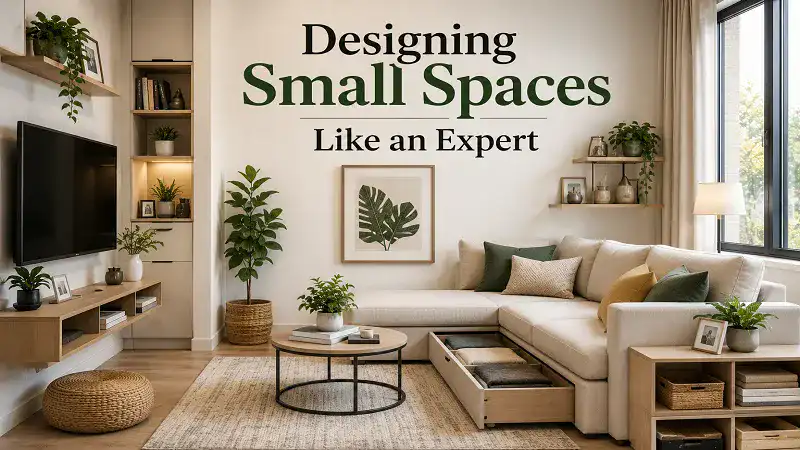
Small rooms can feel spacious when designed thoughtfully.
Here are several professional techniques:
Use Light Colors
Soft shades reflect natural light and make walls appear farther apart.
Choose Multi-Functional Furniture
Examples include:
- Storage beds
- Extendable dining tables
- Foldable desks
- Ottomans with hidden storage
These pieces maximize functionality without occupying unnecessary space.
Install Large Mirrors
Mirrors reflect both light and the surrounding room, creating the illusion of additional space.
Keep Decorations Minimal
Avoid overcrowding shelves and tables with decorative accessories. Instead, choose a few meaningful pieces that complement the overall design.
Maximize Vertical Space
Use tall bookshelves, floating shelves, and wall-mounted storage to free up valuable floor space.
Common Interior Design Mistakes to Avoid
Even experienced designers occasionally make mistakes. Recognizing these common problems can help you create more successful interiors.
Buying Furniture Before Measuring
Always measure the room first. Oversized furniture can make even a large room feel cramped.
Ignoring Natural Light
Natural light should influence your color choices, furniture placement, and window treatments. Blocking windows with heavy furniture reduces brightness and makes rooms feel smaller.
Using Too Many Colors
Limiting your palette creates a more sophisticated and timeless appearance.
Poor Lighting
Relying on only one ceiling fixture often leaves rooms looking flat. Layered lighting creates warmth and visual interest.
Following Every Trend
Trends come and go. Focus on timeless foundations, then introduce trends through cushions, artwork, rugs, or accessories that can easily be replaced.
Professional Tips to Improve Your Skills
If your goal is to master how to be better at interior design mintpaldecor, remember that great designers never stop learning.
Build a portfolio of your work, study successful interiors, practice sketching layouts, experiment with color combinations, and stay informed about new materials and technologies. Visit furniture exhibitions, read interior design magazines, and analyze projects from experienced designers to understand what makes a space both beautiful and functional.
The more projects you complete, the stronger your eye for proportion, balance, and detail will become.
Modern Interior Design Trends
Interior design evolves every year, but the best designers know how to combine modern trends with timeless principles. Instead of redesigning an entire room every season, they incorporate trends through furniture, accessories, lighting, and decorative elements.
Minimalist Design
Minimalism continues to be one of the most popular interior design styles. It focuses on simplicity, clean lines, and functionality.
Key features include:
- Neutral color palettes
- Simple furniture designs
- Open layouts
- Hidden storage solutions
- Minimal decorative accessories
Minimalist interiors create calm, organized, and clutter-free environments.
Biophilic Design
Biophilic design brings nature indoors. This trend improves both physical and mental well-being by creating a stronger connection with the natural world.
Popular ideas include:
- Indoor plants
- Natural wood finishes
- Stone textures
- Large windows
- Natural lighting
- Organic materials
Adding greenery instantly makes a room feel fresh and inviting.
Sustainable Interior Design
Sustainability has become an essential part of modern interior design. Designers are choosing environmentally friendly materials that reduce waste while maintaining high quality.
Examples include:
- Recycled wood
- Bamboo flooring
- Energy-efficient lighting
- Eco-friendly paints
- Recycled fabrics
- Sustainable furniture
Creating environmentally responsible interiors benefits both homeowners and the planet.
Personalizing Your Interior Design Style
One of the biggest mistakes beginners make is copying someone else’s design without adapting it to their own space. Every home is different, and every client has unique preferences.
Developing your own style starts with understanding what inspires you.
Ask yourself:
- Which colors do I naturally prefer?
- Do I enjoy modern or traditional interiors?
- What materials attract me most?
- Which rooms make me feel comfortable?
- How do I want people to feel when they enter the space?
Collect inspiration from magazines, websites, and completed projects, but use them as references rather than exact copies. Over time, you will naturally develop a signature style that reflects your creativity.
Building Professional Interior Design Skills
Becoming an excellent interior designer requires continuous learning and practical experience.
Here are several habits that successful designers follow:
Practice Every Day
The more projects you complete, the stronger your design instincts become. Even redesigning a single room can teach valuable lessons about layout, lighting, and color.
Learn Design Software
Professional designers often use digital tools to create layouts and 3D visualizations. Learning design software allows you to present ideas more effectively and communicate clearly with clients.
Stay Updated
Interior design trends, materials, and technologies change regularly. Read design blogs, follow industry experts, attend exhibitions, and explore furniture collections to keep your knowledge current.
Improve Communication Skills
Interior designers work closely with homeowners, contractors, and architects. Good communication helps you understand client expectations, avoid misunderstandings, and deliver successful projects.
Build a Strong Portfolio
Your portfolio is one of your most valuable professional assets. Include high-quality photographs, before-and-after transformations, mood boards, sketches, and project descriptions to showcase your abilities.
Expert Tips for Long-Term Success
If your goal is to master how to be better at interior design mintpaldecor, focus on developing habits that improve both creativity and technical knowledge.
Some valuable expert recommendations include:
- Always design with the client’s lifestyle in mind.
- Prioritize functionality before decoration.
- Invest in quality furniture instead of buying many inexpensive pieces.
- Mix textures to create depth and warmth.
- Use natural light whenever possible.
- Maintain a consistent color palette throughout the home.
- Avoid overcrowding rooms with unnecessary accessories.
- Balance modern trends with timeless design principles.
- Continue learning through books, courses, and real-world experience.
- Review every completed project to identify areas for improvement.
Remember, great interior design is not about following expensive trends—it is about creating spaces that people truly enjoy living in.
Frequently Asked Questions (FAQs)
Can anyone become good at interior design?
Yes. Interior design is a skill that improves with practice, study, and experience. By understanding design principles and working on real projects, anyone can become more confident and creative.
What is the most important principle of interior design?
Balance, functionality, and harmony are among the most important principles. A beautiful room should also be practical and comfortable.
How do professional designers choose colors?
Professionals consider natural lighting, room size, furniture, and the mood they want to create. They often use neutral base colors with carefully selected accent shades.
Is expensive furniture necessary for good interior design?
No. A well-planned layout, thoughtful color choices, and quality decorative elements often have a greater impact than expensive furniture alone.
How long does it take to improve interior design skills?
Improvement depends on practice and dedication. Regular learning, experimenting with new ideas, and completing projects consistently will help you grow much faster.
Conclusion
Learning how to be better at interior design mintpaldecor is a journey that combines creativity, technical knowledge, and continuous practice. Great interior designers understand that every successful project begins with careful planning, thoughtful color selection, balanced furniture placement, effective lighting, and attention to detail. They create spaces that are not only visually appealing but also practical, comfortable, and perfectly suited to the people who use them.
Whether you are designing your own home or building a professional career in interior design, focus on mastering the fundamentals before exploring advanced techniques. Study successful interiors, stay informed about modern trends, experiment with different layouts, and always place functionality at the center of every design decision.
With patience, creativity, and a commitment to continuous learning, you can confidently develop your own unique design style and create interiors that remain beautiful, functional, and timeless for years to come. See More