
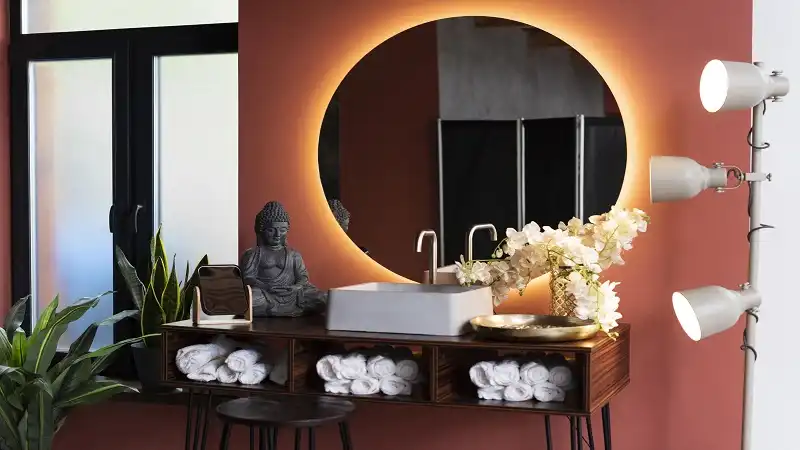
Home decoration is constantly changing, but the best trends are not necessarily about buying everything that is new. The most successful interiors combine current ideas with personal style, comfort, and practical design.
In 2026, home decoration is moving toward warmer, more personal spaces. Instead of interiors that look overly coordinated or completely minimal, designers are increasingly using natural materials, rich textures, warmer colors, statement lighting, vintage influences, and carefully selected decorative pieces.
This shift gives homeowners more freedom. You do not need to completely redesign your house to make it feel current. Sometimes, changing lighting, adding texture, introducing a warmer color, or replacing a few decorative pieces can make a noticeable difference.
If you are researching the latest decoration trends mintpaldecor readers should know about, this guide explains the major ideas and how you can use them in real homes.
1. Warm and Comfortable Colors
One of the biggest changes in modern decoration is the movement away from extremely cool and sterile interiors.
White and gray will always have their place, but warmer shades are becoming increasingly attractive for creating comfortable living spaces.
Popular choices include:
- Warm beige
- Cream
- Terracotta
- Soft brown
- Caramel
- Olive green
- Muted yellow
- Warm white
- Earthy red
- Deep blue
These colors can make rooms feel more welcoming without becoming overwhelming.
How to Use Warm Colors
You do not need to repaint every wall.
Start with smaller elements such as:
- Cushions
- Curtains
- Rugs
- Artwork
- Lampshades
- Decorative pottery
- Throws
- Accent chairs
For example, a neutral living room can be transformed with a terracotta rug, cream cushions, and wooden accessories.
This approach allows you to experiment without committing to a major renovation.
2. Natural Materials Are Becoming More Important
Natural materials continue to play an important role in contemporary interiors.
Wood, stone, linen, cotton, rattan, bamboo, and ceramics can introduce warmth and texture that synthetic materials sometimes struggle to reproduce.
Wood is particularly versatile.
You can use it through:
- Furniture
- Flooring
- Wall panels
- Shelving
- Decorative objects
- Dining tables
- Doors
Natural wood also works with many design styles.
It can make a minimalist room feel warmer, complement a traditional interior, or add contrast to a contemporary space.
Why Natural Materials Work
Natural materials often create visual variation.
A wooden surface has its own grain. Stone has natural variations. Woven fabrics have texture.
These small details prevent a room from looking flat.
The goal is not to fill every room with natural materials. A few carefully selected pieces can be enough.
3. Layered Lighting Instead of One Main Light
Lighting is one of the easiest ways to improve a room, but many homes rely too heavily on one ceiling fixture.
Modern decoration increasingly treats lighting as a combination of different sources.
A well-designed room may use:
Ambient lighting
This provides general illumination.
Examples include:
- Ceiling lights
- Recessed lighting
- Chandeliers
Task lighting
This helps with specific activities.
Examples include:
- Desk lamps
- Reading lights
- Kitchen lighting
- Bedside lamps
Accent lighting
This highlights decorative or architectural features.
Examples include:
- Picture lights
- Shelf lighting
- Wall sconces
- Under-cabinet lighting
Using these layers creates a more flexible atmosphere.
You can use brighter lighting when working and softer lighting when relaxing.
4. Statement Lighting as Decoration
Lighting is no longer only about function.
A beautiful light fixture can act as a piece of art.
Large pendant lights, sculptural chandeliers, oversized lamps, and distinctive wall lights can become focal points in a room.
For example, a dining table can look much more impressive with a carefully selected pendant above it.
Similarly, an interesting floor lamp can add character to an otherwise simple living room.
Choosing Statement Lighting
The fixture should match the scale of the room.
A tiny lamp may disappear in a large space.
A very large chandelier can overwhelm a small room.
Think about proportions before choosing a statement fixture.
5. More Texture, Less Flatness
Texture is becoming increasingly important in home decoration.
A room can use the same basic color throughout but still feel interesting if different textures are layered together.
Consider combining:
- Soft upholstery
- Woven rugs
- Wooden furniture
- Linen curtains
- Ceramic accessories
- Textured walls
- Stone surfaces
For example, imagine a cream-colored living room.
Instead of using cream everywhere in the same material, combine a linen sofa, a wool rug, wooden tables, ceramic objects, and textured cushions.
The colors remain simple, but the room becomes much more visually interesting.
6. Curved Furniture and Softer Shapes
Straight lines have dominated modern interiors for years.
Now, softer shapes are becoming increasingly popular.
Curved sofas, rounded coffee tables, circular mirrors, arched furniture, and curved lamps can make a room feel more relaxed.
Curves are particularly useful when an interior has many hard architectural lines.
For example, if you have rectangular windows, square shelving, and straight walls, a rounded coffee table can introduce balance.
Where to Use Curves
You can introduce curved shapes through:
- Armchairs
- Sofas
- Coffee tables
- Mirrors
- Ottomans
- Lamps
- Decorative objects
You do not need everything to be curved.
One or two rounded pieces can be enough.
7. Vintage and Vintage-Inspired Decoration
Modern homes do not have to contain only new furniture.
Vintage pieces can give an interior more personality.
A vintage mirror, old wooden cabinet, antique lamp, or traditional artwork can create contrast against modern furniture.
This approach can make a home feel collected rather than completely purchased at once.
How to Mix Old and New
The easiest approach is to use one vintage piece as a focal point.
For example:
Modern sofa + vintage coffee table
or
Contemporary dining table + antique chairs
or
Minimalist bedroom + traditional bedside cabinet
The contrast can make both styles more noticeable.
8. Personal Artwork and Meaningful Objects
One of the most important decoration trends is not necessarily a particular color or furniture style.
It is the move toward personal interiors.
A house should reflect the people who live there.
Instead of filling every wall with generic artwork, consider displaying things that have meaning.
These could include:
- Travel photographs
- Family photographs
- Original artwork
- Handmade objects
- Books
- Collections
- Souvenirs
- Personal crafts
The result is usually more interesting than an interior where every object looks like it came from the same store.
9. Natural and Organic Shapes
Organic decoration focuses on forms inspired by nature.
Instead of perfectly symmetrical shapes, you might see:
- Irregular ceramics
- Organic mirrors
- Natural stone
- Sculptural wood
- Rounded furniture
- Botanical artwork
These elements can make interiors feel less rigid.
Organic shapes work particularly well with neutral colors and natural materials.
For example, a simple wooden table can be paired with an irregular ceramic bowl and a rounded mirror.
The combination feels relaxed without looking messy.
10. Biophilic Decoration and Indoor Plants
Plants remain one of the easiest ways to add life to a home.
They introduce color, texture, and a connection with nature.
You can use:
- Large floor plants
- Small tabletop plants
- Hanging plants
- Herbs in kitchens
- Fresh flowers
- Dried botanical arrangements
If you do not have much natural light, choose plants that can tolerate lower-light conditions.
You can also use botanical artwork or natural materials to create a nature-inspired look without maintaining many plants.
Avoid Overcrowding
Plants should complement the room rather than take over.
Choose a few plants that fit the scale of the space.
A large plant can work beautifully in an empty corner, while smaller plants may be better for shelves or desks.
11. Sustainable Decoration Choices
Many homeowners are becoming more conscious about how their decorating choices affect the environment.
Instead of constantly replacing furniture, consider buying fewer pieces that can last longer.
Some practical approaches include:
- Reusing existing furniture
- Buying second-hand pieces
- Choosing durable materials
- Repairing furniture
- Selecting quality over quantity
- Using locally made products where practical
Sustainability can also save money.
A good-quality table that lasts for many years may ultimately be more economical than repeatedly buying inexpensive replacements.
12. Decorative Wall Treatments
Paint is not the only way to change a wall.
Decorative wall treatments can create depth and character.
Popular options include:
- Wood paneling
- Textured wallpaper
- Decorative molding
- Limewash-style finishes
- Slatted walls
- Gallery walls
- Large-scale artwork
A feature wall can create a strong focal point without requiring changes throughout the entire room.
Choosing a Feature Wall
Good locations include:
- Behind a bed
- Behind a sofa
- Behind a dining table
- Around a fireplace
- Behind a television
Choose one area and make it intentional.
Too many competing feature walls can make the home feel visually busy.
13. The Return of Decorative Wallpaper
Wallpaper allows homeowners to introduce patterns and color without permanently changing furniture.
Modern wallpaper comes in countless designs, from subtle textures to bold botanical patterns.
You can use wallpaper on:
- A full room
- One feature wall
- A hallway
- A small powder room
- The back of shelving
If you are nervous about strong patterns, start with a smaller space.
A hallway or powder room can be an excellent place to experiment.
14. Earthy Green Tones
Green continues to work particularly well with natural interior design.
Earthy green shades can create a calm atmosphere while adding more personality than a basic neutral.
Possible shades include:
- Sage
- Olive
- Moss
- Forest green
- Muted eucalyptus
Green pairs naturally with:
- Wood
- Brass
- Cream
- Beige
- Stone
- Natural fabrics
A green accent wall can create a strong focal point, while smaller green accessories offer a more subtle approach.
15. Richer Accent Colors
Although neutral interiors remain popular, many homeowners are introducing stronger colors through small decorative elements.
For example:
- Deep blue cushions
- Burgundy artwork
- Rust-colored rugs
- Dark green chairs
- Mustard accessories
The advantage of using color through accessories is flexibility.
If your preferences change, replacing cushions or artwork is much easier than repainting an entire room or replacing a sofa.
16. Open Shelving With Curated Decoration
Open shelving can be both practical and decorative.
However, the modern approach is to avoid filling every available space.
Instead, display a smaller collection of carefully chosen objects.
You can combine:
- Books
- Plants
- Ceramics
- Artwork
- Small sculptures
- Photographs
- Decorative boxes
Leave some space between objects.
This makes the shelf feel intentional instead of cluttered.
17. Decorative Mirrors
Mirrors can do more than help you check your appearance.
They can also reflect light and make rooms feel more open.
Large mirrors can work particularly well in:
- Entryways
- Bedrooms
- Living rooms
- Dining rooms
- Hallways
Instead of choosing only standard rectangular mirrors, consider:
- Round mirrors
- Arched mirrors
- Organic-shaped mirrors
- Decorative framed mirrors
The frame can also become part of the decoration.
18. Comfortable and Functional Living Spaces
One important lesson from modern home decoration is that a beautiful room should still be comfortable.
Furniture should not be selected only because it looks good in photographs.
Consider:
- How people move through the room
- Where they sit
- Where they place drinks
- How much storage is needed
- How easy surfaces are to clean
A living room should feel like a place where people actually want to spend time.
This means comfort should be considered alongside appearance.
19. Decorating Small Spaces
Small rooms require a slightly different approach.
Too many large decorative objects can make a small space feel crowded.
Instead, focus on:
- Light colors
- Mirrors
- Multi-purpose furniture
- Vertical storage
- Simple decoration
- Good lighting
Use the walls when floor space is limited.
Wall shelves, artwork, mirrors, and vertical storage can add personality without taking up valuable floor area.
20. How to Use the Latest Decoration Trends Mintpaldecor in Your Home
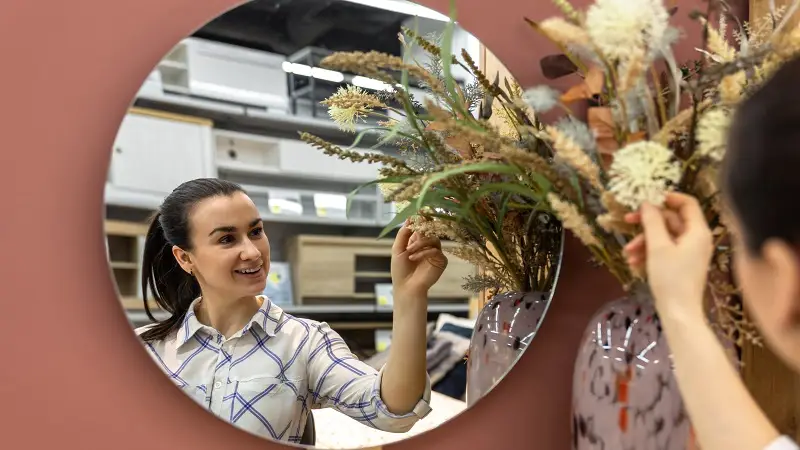
If you want to follow the latest decoration trends mintpaldecor readers are interested in, you do not need to redesign your entire home.
Start with one room.
Step 1: Choose a Base
Select a neutral foundation such as:
- Warm white
- Beige
- Cream
- Soft gray
Step 2: Add Natural Materials
Introduce wood, stone, woven fabrics, or ceramics.
Step 3: Add Texture
Use rugs, cushions, curtains, throws, and textured accessories.
Step 4: Introduce One Accent Color
Choose green, blue, terracotta, brown, or another color that works with your base.
Step 5: Improve Lighting
Add a table lamp, floor lamp, wall light, or statement fixture.
Step 6: Add Personal Items
Display artwork, photographs, books, or meaningful objects.
Step 7: Remove Unnecessary Clutter
Decoration is not about filling every empty surface.
Sometimes removing objects creates a bigger improvement than adding new ones.
Common Decorating Mistakes to Avoid
Following trends can be exciting, but there are several common mistakes worth avoiding.
Using Too Many Trends at Once
You do not need every trend in one room.
Choose two or three ideas that work together.
Ignoring Scale
A small lamp on a huge table may look lost.
A giant piece of furniture can overwhelm a small room.
Always consider proportions.
Buying Everything as a Matching Set
A completely matching room can feel less personal.
Mixing materials, colors, and furniture styles often creates more character.
Forgetting Lighting
Even beautiful furniture can look poor under unsuitable lighting.
Use multiple light sources where possible.
Creating Too Much Clutter
Decorative objects should have enough space around them.
Empty space is part of good design.
Choosing Trends Over Personal Taste
A trend is only useful if you actually like it.
Your home should feel comfortable and personal rather than designed purely to follow social media.
A Simple Room-by-Room Decoration Guide
Living Room
Focus on:
- Comfortable seating
- Layered lighting
- Textured rugs
- Natural materials
- Artwork
- A few decorative objects
Bedroom
Focus on:
- Soft lighting
- Comfortable bedding
- Warm colors
- Curtains
- Simple artwork
- Natural textures
Kitchen
Focus on:
- Functional storage
- Warm lighting
- Natural materials
- Small plants
- Attractive everyday objects
Dining Room
Focus on:
- Statement lighting
- Comfortable chairs
- Centerpiece
- Artwork
- Warm colors
Entryway
Focus on:
- Mirror
- Console table
- Lighting
- Storage
- One strong decorative element
The entryway is important because it creates the first impression of the home.
How to Make Decoration Trends Last Longer
Trends change.
That does not mean your home needs to change every year.
A better approach is to create a timeless foundation and update smaller elements.
Keep expensive items timeless
Choose classic designs for:
- Sofas
- Beds
- Dining tables
- Flooring
- Cabinets
Use trends in smaller items
Experiment with:
- Cushions
- Artwork
- Lamps
- Vases
- Throws
- Rugs
- Decorative accessories
This approach allows you to refresh the home without major expense.
Frequently Asked Questions
What are the latest home decoration trends in 2026?
Major trends include warmer colors, natural materials, layered lighting, tactile textures, curved furniture, vintage pieces, organic shapes, personal artwork, indoor plants, and more personalized interiors.
Are neutral colors still popular?
Yes. Neutral colors remain useful, but warmer neutrals such as cream, beige, taupe, and warm white are often preferred for creating comfortable spaces.
Is minimalism still popular?
Yes, but many interiors are moving toward a softer form of minimalism. Instead of completely empty rooms, homeowners are using carefully selected decorative objects and natural textures.
What materials are trending in home decoration?
Wood, natural stone, linen, cotton, rattan, ceramics, and other tactile natural materials are useful for creating warm and layered interiors.
How can I update my home without spending a lot?
Start with inexpensive changes such as cushions, lighting, artwork, rugs, plants, and decorative accessories. Rearranging existing furniture can also make a room feel different.
What colors make a home feel warmer?
Cream, beige, terracotta, caramel, warm white, olive, brown, and muted earthy tones can help create a warmer atmosphere.
How many decorative items should I use?
There is no fixed number. The key is balance. Group a few objects together and leave some space so the room does not feel overcrowded.
Final Thoughts
The most exciting part of modern home decoration is that there is no single correct style.
The latest decoration trends mintpaldecor readers may be interested in are moving toward homes that feel warmer, more personal, comfortable, and connected to natural materials.
Instead of creating a room that looks like a showroom, focus on creating a space that feels like your own.
Start with a simple color foundation, add natural materials, introduce texture, improve the lighting, and choose a few decorative pieces that have meaning.
You can then bring in current trends through smaller and easier-to-change elements.
Remember that good decoration is not about having the most expensive furniture or following every new trend. It is about creating balance between beauty, comfort, function, and personality.
Whether you are decorating a small apartment, updating one room, or planning a complete home makeover, thoughtful choices can make a significant difference.
And when you use trends selectively rather than following them blindly, your home can feel modern while remaining timeless. See More